German small talk is short and friendly. Good topics are the weather, the weekend, holidays and food. Avoid salary, money and politics with people you do not know well. “Wie geht's?” can get an honest answer, so be ready to listen. Give a short answer and ask a question back.
At work
Small talk at work happens at the coffee machine, in the kitchen or before a meeting. Many offices use du, but follow your colleagues.
With neighbours
Chats with neighbours are often short. You meet in the stairwell, at the post boxes or by the bins.
At a party
At a party, people often ask how you know the host. Most younger guests use du with each other.
Easy answers and goodbyes
Short answers are fine. These phrases also help you end a chat politely.
Topics Germans like and avoid
Some topics are safe with almost anyone, and some are better left for close friends.
- Weather. Always safe. A little complaining about rain or grey skies is normal.
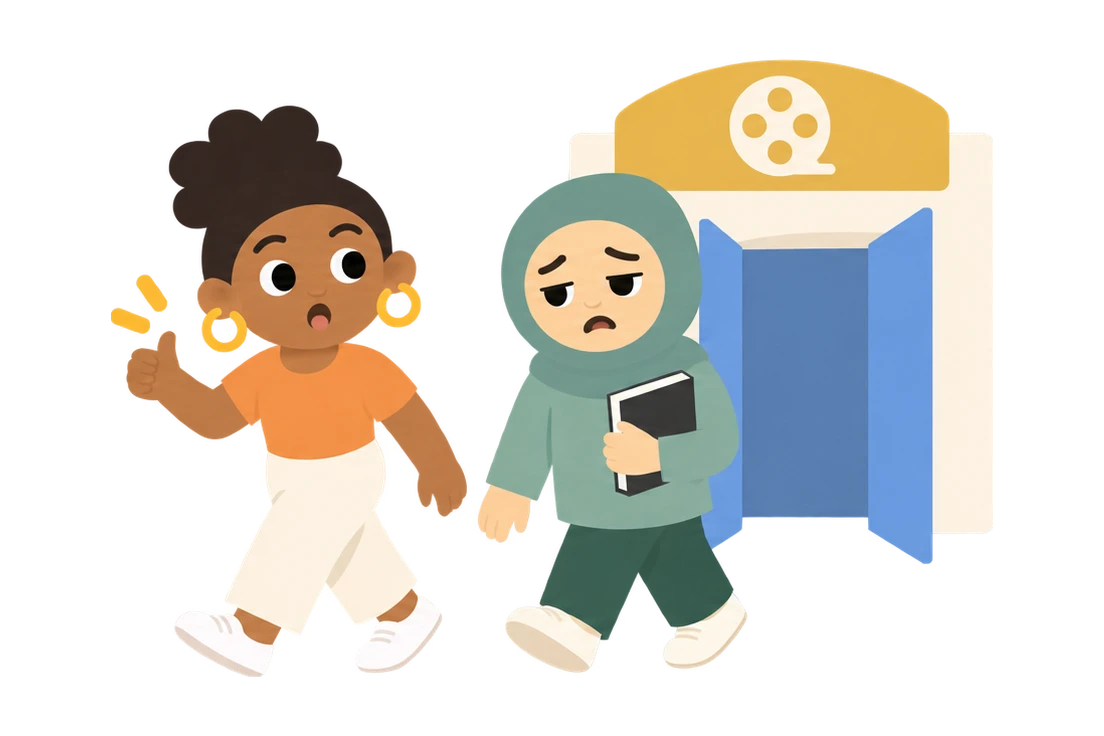
- Weekend and holidays. People like to talk about trips and plans. Ask where they went or where they are going next.
- Work and studies. “Was machst du beruflich?” is a normal question. Keep it to the job itself.
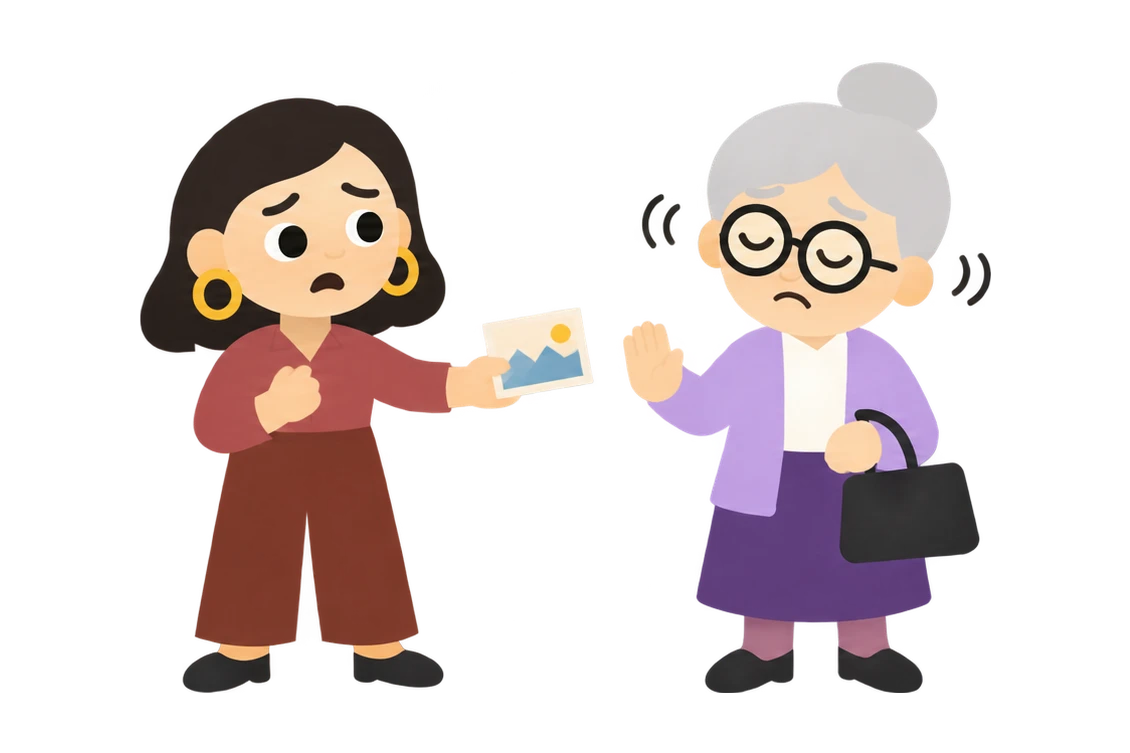
- Money and salary. Do not ask what someone earns or what their flat cost. Most people find this too private.
- Politics and religion. Avoid them with people you have just met. Wait until you know someone well.
- Age and family plans. Questions about age or children can feel personal. Let the other person bring them up.
A short example at a party
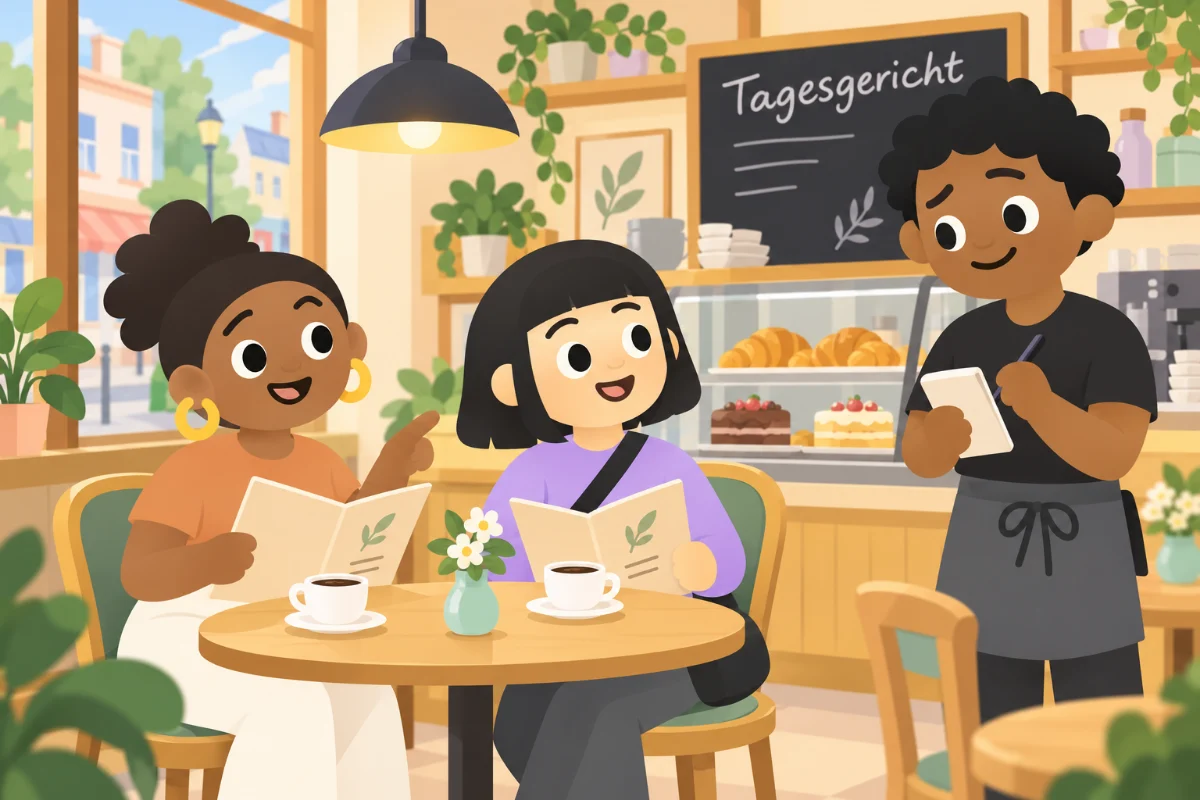
You meet Lilly for the first time at a friend's party.
How small talk works in Germany
Small talk in Germany is often shorter than in the US or the UK. People rarely chat with strangers in a queue or on the tram. With colleagues and neighbours, a few friendly lines are normal. A quick chat at the coffee machine or in the stairwell is often enough.
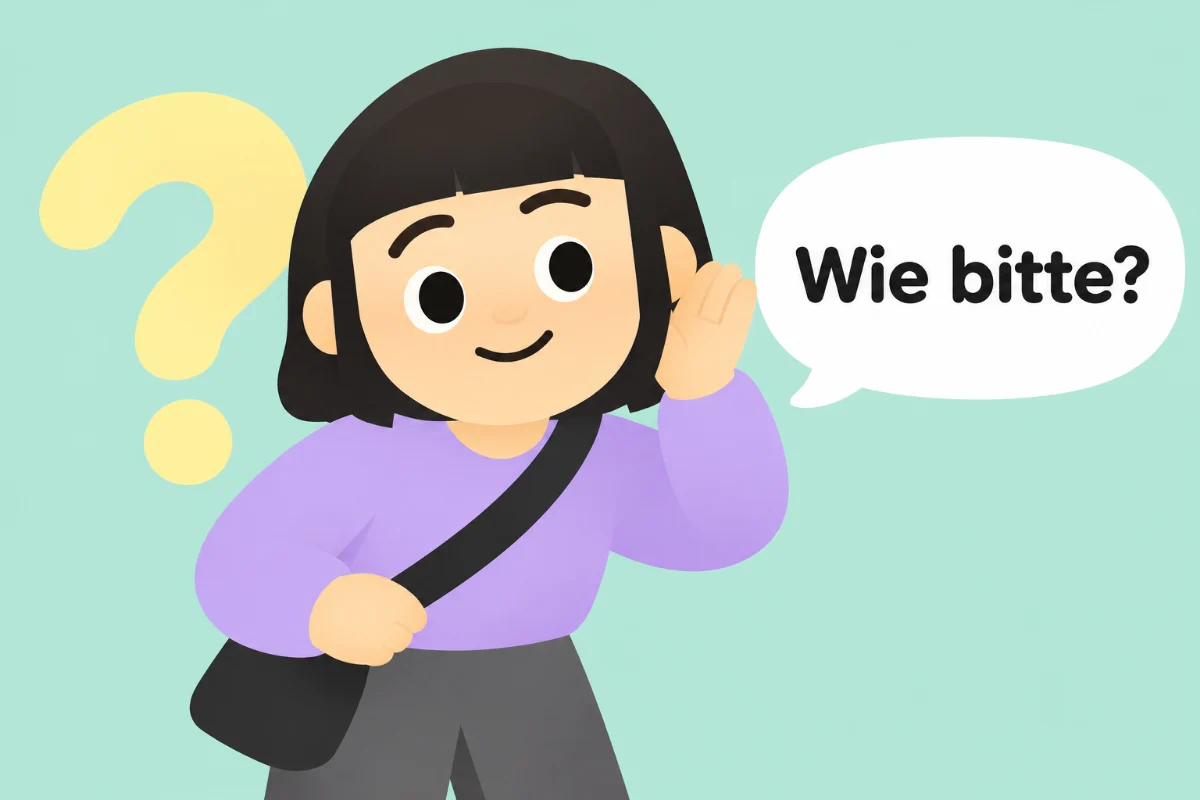
“Wie geht's?” is a real question here. Many people answer honestly. You may hear “Nicht so gut”. If someone tells you about a problem, a simple “Oh, das tut mir leid” works.
Use Sie with neighbours and new contacts until they offer du. Many offices use du from the first day. If you are unsure, start with Sie and switch when the other person does.
Questions
What are good small talk topics in German?
The weather, your weekend, holidays, food and local events are safe. Work is fine too. Avoid salary, money and politics with people you have just met.
How do you answer “Wie geht's?” in German?
Say “Gut, danke. Und dir?” with friends. With Sie, say “Gut, danke. Und Ihnen?” If things are not great, “Es geht so” is a normal and honest answer.
Should I use du or Sie in small talk?
Use Sie with neighbours, older people and staff. Many colleagues and younger people at parties use du. If you are unsure, start with Sie and follow the other person.